Pinky Roses Display Font for Handmade Labels and Creative Branding
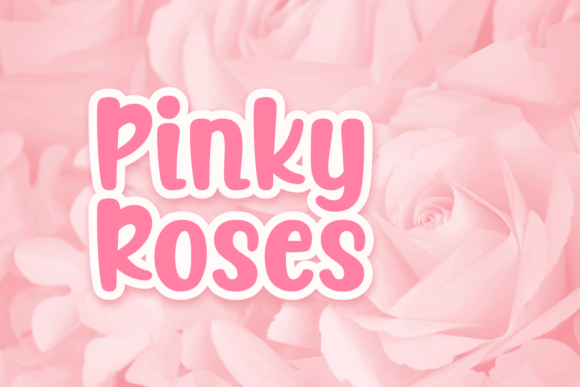
There is a moment every maker knows well. You have just finished formatting a candle label, a greeting card, or a gift tag, and you zoom in to preview the text. Something feels off. The font you chose is too stiff, too corporate, or simply too plain for the warm, handcrafted story you are trying to tell. That is the exact moment I opened Pinky Roses for the first time. I was preparing a set of small-batch soy candle labels, and I needed a typeface that felt as carefully made as the product itself. Pinky Roses is a striking display font filled with the robust allure of handcraft. Its exquisite design is seamless for captivating book covers, engaging brand persona creation, and sweetly decorated projects. From the first letterform, I could see how this display font would bring a tactile, personal energy to everything from boutique packaging to printable wall art.
Pinky Roses for Candle Labels and Small Shop Packaging
When you sell handmade goods, every detail on the label shapes how a customer perceives your brand. I printed a test run of candle labels using Pinky Roses for the scent name and a simple sans serif for the ingredients. The contrast was immediate. Pinky Roses added a hand-painted, almost letterpressed quality to the word “Lavender” that no standard fonts in my library could match. The thick and thin strokes catch the light on a matte paper label in a way that feels premium without being fussy. For small shop packaging, this display font works beautifully for product names, short taglines, and shop names. I have since used it on kraft paper tags tied with twine, and on glossy circular labels for bath salts. Because Pinky Roses carries that robust, handcrafted allure, it aligns perfectly with makers who want their packaging to communicate care and artistry.
Applying Pinky Roses to Boutique Tags and Product Branding
Boutique tags are essentially miniature brand statements. Whether you are labeling handmade soap, candles, or small apparel items, the typeface you choose either elevates or cheapens the product. Pinky Roses excels here because its letterforms have a deliberate, crafted rhythm. I used it for a line of organic lip balms, setting the product name in Pinky Roses at a slightly larger point size and pairing it with a clean sans serif for the scent description. The result looked like something you would find in a high-end apothecary, not a generic craft fair table. For product branding, Pinky Roses brings that sweetly decorated quality described in its design without becoming overly ornate or unreadable at smaller sizes. I recommend testing it around 18 to 24 points for tags and labels, where the character shapes remain clear and charming.
Using Pinky Roses on Wedding Invitations and Stationery Sets
Wedding stationery is one of the most sentimental projects a designer or bride can take on. I recently helped a friend mock up a small batch of intimate wedding invitations, and we used Pinky Roses for the couple’s names at the top. The font’s handcrafted personality gave the invitation a romantic, bespoke feel without needing any elaborate illustration. Because Pinky Roses is a display font, it is best used for names, titles, and short phrases rather than long body copy. On the invitation, we set the couple names in Pinky Roses and the event details in a simple serif. The pairing felt intentional and polished. For RSVP cards, favor tags, and welcome signage, Pinky Roses can carry the entire design when used sparingly. Its robust allure makes even a single word feel like a statement, which is exactly what you want for a wedding suite that tells a love story.
Pinky Roses for Greeting Cards and Handmade Card Sets
Greeting cards are another natural home for Pinky Roses. Whether you are designing birthday cards, thank you notes, or encouragement cards, the font sets a warm, emotional tone before the recipient even reads the message. I designed a small run of “Hello” cards where the word “Hello” was set in Pinky Roses across the front. The letterforms had enough weight to stand alone as a graphic element, and I added a subtle watercolor wash behind them. The combination looked like a piece of art rather than a mass-produced card. For card makers who sell on Etsy or at local markets, Pinky Roses gives your designs that sweetly decorated, handcrafted edge that buyers notice. It works beautifully on both digital printable cards and physically printed cardstock.
Designing Printable Wall Art with Pinky Roses
Printable wall art is one of the most popular digital download categories, and the success of a print often depends entirely on the typeface. Pinky Roses brings a sophisticated, handmade energy to quotes, single words, and minimalist designs. I created a set of “Gather” and “Home” prints using this display font as the focal point. At a large point size, the delicate details in the letterforms become a visual centerpiece. For printable wall art, Pinky Roses works best as the hero text. Add a subtitle in a simple sans serif or a subtle script to create depth. The font’s sweetly decorated style keeps the design feeling approachable and cozy, which is exactly what buyers look for in home decor printables. I have also used Pinky Roses for seasonal wall art prints, like “Hello Autumn” and “Warm Winter Wishes,” and each time the font carries the seasonal mood naturally.
Pinky Roses for Seasonal Craft Projects and Holiday Tags
Seasonal crafting is where Pinky Roses truly shines. Holiday gift tags, Easter labels, Valentine’s Day cards, and fall harvest signs all benefit from a font that feels handmade and celebratory. I printed a sheet of Christmas gift tags using Pinky Roses for the names, and the letters looked like they had been written with a fancy brush pen. The robust quality of the font meant that even small tags remained readable and elegant. For crafters using cutting machines like Cricut or Silhouette, Pinky Roses works well for designs that will be cut from vinyl or cardstock. Just be sure to check the size before cutting. Because this is a display font with decorative thick and thin strokes, very small cuts below about 1.5 inches may lose some detail. I always test a sample cut first to find the sweet spot where the handcrafted charm remains intact.
Pinky Roses for Tote Bags, Mugs, and Merchandise
Merchandise like tote bags, mugs, and shirts requires fonts that read clearly on a curved or fabric surface. Pinky Roses holds up well because its letterforms have a strong silhouette. I tested it on a mockup for a tote bag featuring a single word in Pinky Roses, and the design felt elevated yet casual. For mugs, a short phrase like “Sip Happens” in Pinky Roses gives a handmade boutique vibe that customers love. Keep in mind that because Pinky Roses is a display font with detailed stroke contrast, it works best for short text. One to three words on a mug or bag is ideal. For shirts, heat transfer vinyl or screen printing will capture the font’s character well if the design is scaled appropriately. Always test print a sample before production to ensure the fine details translate.
Font Pairing Ideas with Pinky Roses for Balanced Designs
Pairing Pinky Roses with a complementary typeface helps your designs feel complete and professional. Because Pinky Roses carries a strong handcrafted personality, it pairs beautifully with clean sans serif fonts like Montserrat, Lato, or Open Sans. The contrast between the decorative display text and the simple body copy creates a natural hierarchy. If you prefer a more organic look, try pairing Pinky Roses with a subtle handwritten font for subtext or accent words. For wedding or formal stationery, a classic serif like Playfair Display or Georgia works well alongside Pinky Roses. The key is to let Pinky Roses be the star and keep the second font simple. This approach works for labels, packaging, signage, social media graphics, and any project where you want the display font to command attention while remaining readable.
Checking Commercial Licensing Before Selling Pinky Roses Products
Before you start selling physical products, templates, printables, or digital downloads using Pinky Roses, always review the commercial font licensing. Every foundry sets different terms for how their fonts can be used in merchandise, print-on-demand, digital templates, and SVG-style designs. Some licenses cover a specific number of sales or require an extended license for mass production. If you plan to sell candle labels, tote bags, mugs, shirts, or any physical item with Pinky Roses, make sure you understand whether a standard license covers that use or if you need an upgrade. The same applies to digital downloads like printable wall art, planner pages, and invitation templates. Checking licensing early ensures you can build your shop or product line with confidence and legal clarity. Pinky Roses is a premium display font that can elevate your entire brand, and investing in the correct license is a small step that protects your creative business.
From candle labels and gift tags to wedding invitations and printable wall art, Pinky Roses has become a staple in my maker toolkit. Its robust, handcrafted allure and sweetly decorated character make every project feel more personal and intentional. Whether you are a seasoned seller or just starting to design your first product line, this display font brings a warmth and sophistication that customers recognize. Take it to your next mockup, print a test label, or cut a sample vinyl phrase. Let Pinky Roses show you how much personality a single typeface can add to your work.