Classic History Font Brings Vintage Charm to Small Business Branding
I was sitting at my kitchen table last Tuesday evening, staring at a stack of kraft paper labels I had printed for my small candle business. The labels looked flat. The font I had been using felt generic, like something every other shop on Etsy had already used a hundred times. I needed a typeface that would make my product packaging feel thoughtful, intentional, and memorable. That is when I finally opened the file for Classic History, a retro-inspired display font I had downloaded a few weeks earlier and kept meaning to test. Within minutes, I knew this was the missing piece in my brand identity.
Classic History for Handmade Product Packaging and Labels
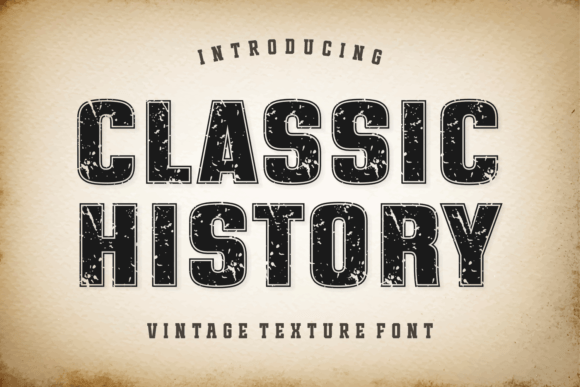
Packaging is often the first physical touchpoint a customer has with your brand, and the typography you choose does a lot of the heavy lifting. When I redesigned my candle labels using Classic History, the difference was immediate. This display font carries a distinct vintage personality with graceful curves and a warm, almost hand-drawn feel. It reminded me of the lettering on old apothecary bottles and antique storefront signage, but it reads cleanly on a modern label. I used it for the scent name and the small batch number on each jar. The result was a package that looked like it had been sitting on a shelf in a charming Parisian market rather than just another mass-produced candle. For small product makers, this font works beautifully on sticker labels, hang tags, and even wax seals. It gives your packaging a story before the customer even opens the box.
The fonts you select for product packaging also affect how trustworthy your brand feels. A generic sans serif can feel cold or forgettable, while a well-chosen display typeface like Classic History signals that you care about details. Customers notice that. I have received more compliments on my label design since switching to this font, and a few people have even asked if I hand-lettered the labels myself. That is exactly the kind of brand perception small business owners want.
How Classic History Elevates Small Business Logos and Business Cards
Your logo is the face of your business, and choosing the right typeface for it is one of the most important design decisions you will make. Classic History works exceptionally well as a logo font for brands that want to evoke nostalgia, craftsmanship, and authenticity. I tested it for a friend who runs a small bakery specializing in rustic sourdough loaves. We used Classic History for the bakery name on her business cards and thank-you cards, paired with a clean sans serif for her contact information. The vintage feel of the font matched the handcrafted nature of her bread, and her customers immediately associated the elegant lettering with the quality of her baking. Business cards printed with this font felt substantial and memorable, the kind you keep in your wallet instead of tossing in the recycling bin.
For boutique owners, handmade sellers, and creative entrepreneurs, a logo built around a distinctive display font like Classic History creates a strong first impression. It tells potential customers that your brand has personality and history, even if you are just starting out. I also used it on my own business cards for my creative consulting work, and it sparked genuine conversations with other small business owners at a local market. People stopped to ask about the lettering, which gave me a natural opening to talk about the importance of typography in branding.
Classic History for Social Media Graphics and Online Shop Banners
Social media is where most customers will discover your brand, and your graphics need to stand out in a crowded feed. I started using Classic History in my Instagram templates for product launch announcements and seasonal promotions. The font has a strong visual presence that works well for short headlines and callout text. I use it for phrases like "New Collection" or "Limited Batch" overlaid on product photos, and it immediately gives the graphic a curated, editorial feel. Unlike many decorative fonts, Classic History remains readable even at smaller sizes on mobile screens, which is critical for social media thumbnails and story posts. I have also used it in my online shop banners on Shopify, where the vintage lettering creates a cohesive look that ties together my product photos and brand colors.
For content creators and bloggers, this font works wonderfully for quote graphics, Pinterest pins, and email header images. The key is to use it sparingly as a headline or accent font rather than for large blocks of body text. When paired with a simple modern sans serif for captions and descriptions, Classic History adds just the right amount of character without overwhelming the design. I have found that my engagement on posts using this font has been noticeably higher, likely because the typography feels more intentional and visually interesting than standard system fonts.
Best Font Pairings for Classic History in Branding Projects
No single font works in isolation, and the best brand identities rely on thoughtful font pairings. Classic History is a display font with strong vintage personality, so it pairs best with cleaner, more neutral typefaces that let it shine without competing. I have tested several combinations in my own projects and recommend a few reliable pairings. A simple sans serif like Montserrat or Open Sans provides a nice contrast for body text, product descriptions, and contact details. If you prefer a more elegant look, a classic serif like Lora or Playfair Display can complement the vintage feel while keeping long text readable. For a playful contrast, a subtle handwritten font can echo the handcrafted feel of Classic History without clashing.
When I designed the menu for a small café, I used Classic History for the section headings like "Coffee" and "Pastries" and paired it with a light sans serif for the item descriptions and prices. The result was a menu that felt warm and inviting without being difficult to read. The font pairing also helped establish a clear visual hierarchy, guiding customers eyes naturally from the bold headings to the supporting details. For small business owners who are not professional designers, keeping the pairing simple with one display font and one neutral font is the safest and most effective approach.
Commercial Licensing and File Formats for Classic History
Before you start using Classic History on your product labels, packaging, or digital designs, it is important to check the included file formats and commercial licensing terms. Most quality fonts in this category come with OTF and TTF files, and some include web font versions for use on websites and online shops. I always recommend downloading a font specifically licensed for commercial use if you plan to use it on products you sell, packaging for your business, or client projects. Classic History is a premium font that offers flexibility for both print and digital applications, but you should verify whether your license covers merchandise, templates, or digital downloads if those are part of your business model.
I also check for alternate characters, ligatures, and multilingual support before committing to a font for a full brand rollout. Classic History includes several stylistic alternates that allow you to customize the lettering and avoid a cookie-cutter look. For example, I used a swash alternate on the first letter of my candle brand name, which gave the label a handcrafted, bespoke feel. These small typographic details make a big difference in how polished and professional your final product looks. If you are a small business owner, taking a few minutes to explore the full character set of your chosen font can elevate your branding from good to exceptional.
Investing in a well-crafted display font like Classic History is one of the most cost-effective ways to improve your brand identity. It works across print and digital platforms, pairs easily with other typefaces, and gives your business a cohesive, memorable look that customers will recognize and trust. Whether you are labeling products, designing a menu, creating social media graphics, or refreshing your logo, this font brings a timeless charm that feels both professional and personal. I have used it across multiple projects now, and it consistently delivers the kind of warm, polished result that makes small businesses stand out.